
Within the legal profession everyone has their own unique journey with highs and lows. Each has their own different experiences, grappling with imposter syndrome, learning to deal with setbacks and celebrating triumphs. For many Sikh women there is an additional layer that they must deal with when they embark upon their journey to the Bar. As Sikh females they are often having to face a myriad of stereotypes, pressure from family and culture, constantly holding them back and often casting doubt over their choice of career.
There are a number of brave individuals who are shattering these stereotypes and pushing back against the pressure with unwavering resilience and determination. Being a Sikh woman and sometimes being the first in the family to attend university, the Bar is undoubtedly an uncharted and unknown territory for both individual and family. There will be many females from many cultures who will deeply understand and empathise with the doubts and stereotypes that can loom over Sikh women as they strive for a career at the Bar. In this article, these challenges will be explored and the resilience and determination of Sikh women at the Bar will be celebrated.
Stereotypes and Doubts
Stereotype Number One: “Marriage and Kids First”
A stereotype which often plagues young Punjabi Sikh women pursuing any professional career is the mounting pressure to prioritise marriage and family over professional aspirations. This manifests in persistent inquiries from well-meaning aunties about whether we have found a potential partner yet or their frequent, often awkward and outdated attempts at matchmaking. The wisdom of our elders echoes in our ears also, reminding us of the importance of settling down before embarking on a career.
“Focus on finding a suitable munda (boy) and starting a family,” they say. “Your career can wait. Your In-Laws may not want you to work.”

Judge Manpreet Singh – Texas USA
Stereotype Number Two: “Overly Argumentative”
Another cultural stereotype surrounding educated Sikh women, especially those with a law degree and a career at the Bar, is that they are too argumentative for their own good. Mothers-in-law, aunties and potential partners can unreasonably view them as intimidating or their voices being deemed too loud in a culture which sadly often expects women to be demure and subservient.
“She has a masters in law and is a barrister,” they whisper. “She is going to be too argumentative for my son.”

Kuljit Kaur Bhogal KC
Stereotype Number Three: “Career vs Family”
There is an underlying fear that Sikh women pursuing the Bar may not prioritise having children or will not be suitable mothers as they are too occupied with their careers.
“She is becoming too old to have children,” some may say. “They are too occupied with their career how will they raise children?”
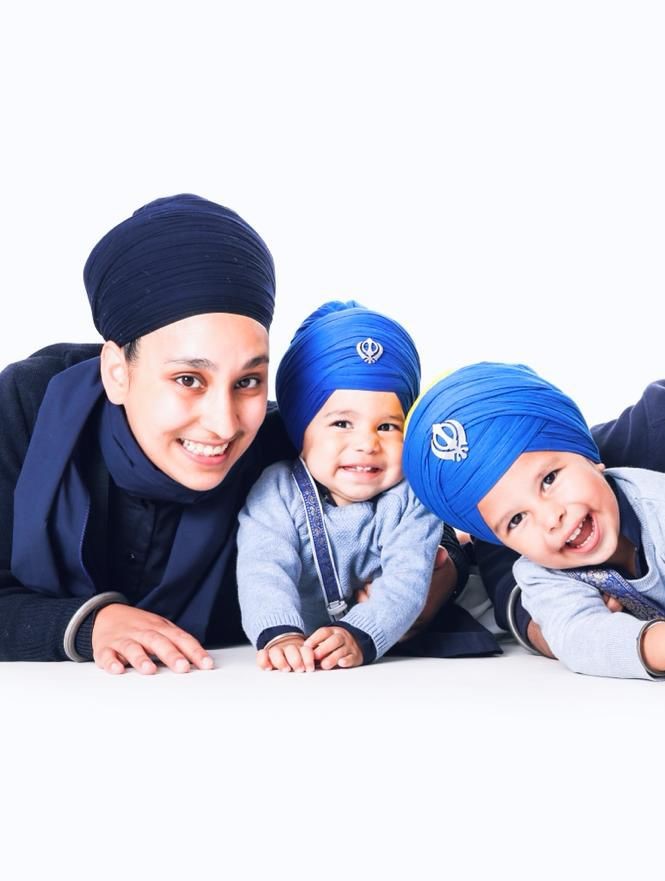
Gurbani Kaur, Solicitor at the Solicitors Regulation Authority
Personal Experiences and Doubts
Breaking free from the shackles of societal and cultural expectations is a challenge in becoming a Barrister and maintaining a career at the Bar. However, for many of these individuals, their journey has been fueled by a deep passion for advocacy, a genuine love for the criminal justice system and drive for standing up for others. The desire to become a barrister and all that it entails in providing access to justice and speaking up for the vulnerable, there is a clear sense of how deeply routed the Sikh values are, those beliefs and the historical commitment of the Gurus to advocating for social justice, equality and service to humanity.
There follows an exhilarating sense of purpose, confirming the need to advocate and speak up on behalf of others.
Sikh Values and Equality
While these stereotypes persist, it is essential to address whether they hold any truth. As far back as the founding of Sikhs, Guru Nanak gave women equal rights, preaching against practices like ‘sati’ where a woman was forced or expected to self-immolate on her husband’s funeral pyre. Additionally, Guru Nanak’s teachings emphasised earning an honest living, meditating and sharing one’s wealth with those in need. When the Gurus started langar, the tradition of serving free meals to all regardless of background, women were actively involved in seva (self-less service) involved in charitable works, feeding the sick, needy, poor and pilgrims.

Mata Khivi Ji
Although these teachings have been clear from the outset, as with many cultures, Punjabi culture has not always fully embraced them. The stereotypes discussed often echo the antiquated notion that a woman’s worth is tried to conforming to traditional roles. However, we applaud the strong, brave women who practice Guru Nanak’s teachings daily by working, serving humanity and balancing family life.
Breaking Barriers
Despite the stereotypes and doubts, Sikh women have and continue to make remarkable strides at the Bar. With currently just, we have seen a handful of brilliant Sikh female barristers breaking through such barriers and excelling at the Bar. They are breaking barriers and their stories inspire us all.
The Bar is evolving, becoming more inclusive and welcoming to individuals from diverse backgrounds. Organisations such as Sikhs in Law and other initiatives are emerging to support Sikh women in their journey to the Bar.
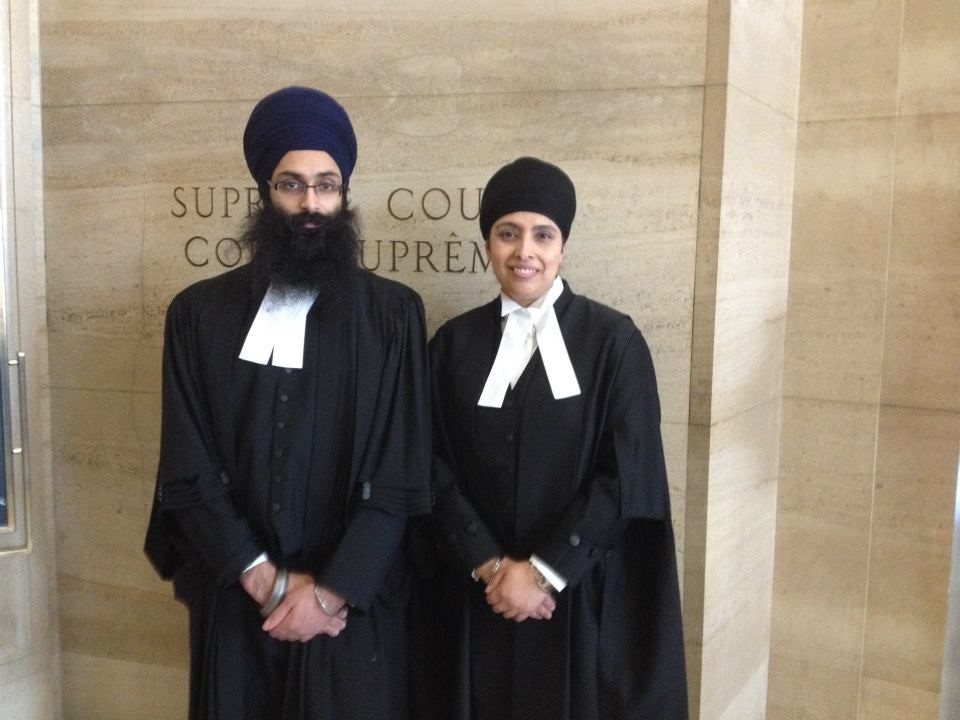
The Honourable Palbinder Kaur Shergill (Judge of the Supreme Court of British Columbia in New Westminster)
In the spirit of celebrating Sikh women and their contributions, it’s worth mentioning Mai Bhago, Guru Gobind Singh’s head of security. Mai Bhago’s dedication and bravery in a traditionally male-dominated role gave women equal standing in the Khalsa (Sikh army of pure ones). We are delighted that Sikhs in Law have aptly named the Women in Law Scholarship after Mai Bhago, signifying our commitment to breaking barriers and promoting gender equality in the legal profession.

Mai Bhago Ji
The Bar is indeed open to Sikh women who can prosper and flourish. However, our journeys do not come without stereotypes and doubts. The achievements of these strong individuals is a testament to our resilience and determination. We must continue to challenge these stereotypes and doubts, celebrate our successes collectively and encourage aspiring female Sikh barristers to follow their dreams, regardless of cultural and societal expectations. Our passion for advocacy, commitment to justice like our Gurus and forefathers will continue to drive us forward and break barriers.

Amrit Kaur Athwal
Bar Student at ICCA
With thanks to Sharan Bhachu (Barrister) our article editor